
Reading and the Limits of Stories
Other PeopleThis flow follows Mary’s changing faith in books as guides to life, identity, and moral order.
increasing Bearing strength in each event
 decreasing
Bearing strength in each eventdecreasingBooks as Language
Books as Language
A Storehouse of Words
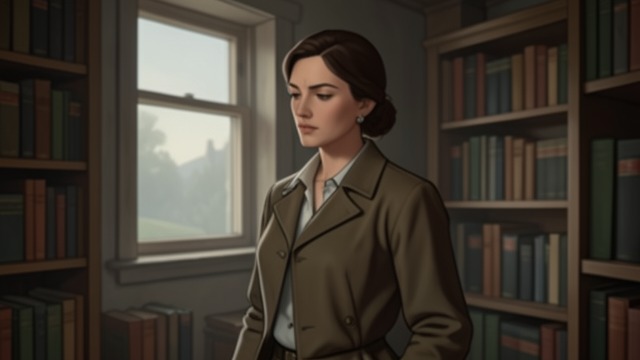
Mary discovers that books are where much of language is kept. She reads Shakespeare, Dickens, poetry, and novels, trying to understand the world through the forms they offer.
A First Sense of Order
The patterned language seems to contain a coherence missing from the streets. Books become a temporary key to meanings she cannot yet find in ordinary conversation.
Stories of Marriage
Stories of Marriage
Familiar Plot Shapes
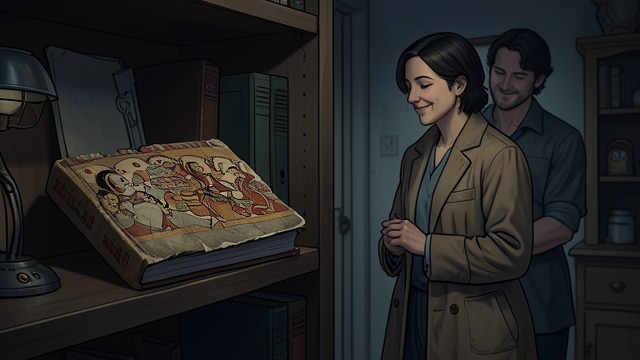
The hostel’s romance books repeatedly move from misunderstanding to marriage and happiness. Mary recognizes the pattern but does not believe that these stories can make her care about the characters.
Stories as Commodities
She begins to suspect that such books are invented for money and sold as time. Their apparent moral order may hide the same market forces she sees elsewhere.
Books as Ideal Worlds
Books as Ideal Worlds
Reading for Clues
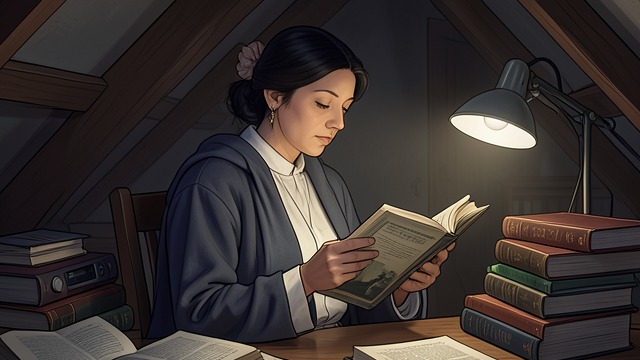
Mary reads widely in her attic, hoping books will explain how to live with other people. Some seem alive and expansive, but none can fully account for her own relationships.
The Limits of Idealization
Experience leads Mary to see that books are not separate from the world of power, boredom, and desire. Literature offers forms of understanding, not a refuge from life.
Jamie’s Borrowed Voice
Jamie’s Borrowed Voice
A Man Made of Reading
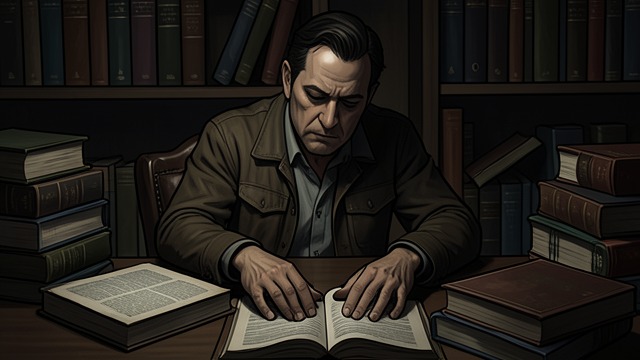
Mary notices that Jamie’s phrases and mannerisms often come from books he has read. His identity appears partly assembled from borrowed language and literary poses.
Authenticity Questioned
The discovery makes Mary reconsider whether books disclose real life or merely provide scripts for it. Jamie’s reading enriches him and also helps him evade direct self-knowledge.
Words Cannot Restore the Past
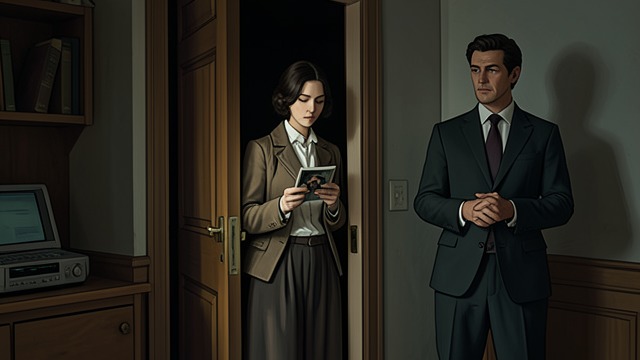
Words Cannot Restore the Past
Narratives Remain Partial
Michael’s story about Amy and the narrator’s corrections show that accounts of the past can be mistaken or self-protective. Mary cannot recover a reliable self simply by collecting stories.
Confrontation Beyond Reading
Amy must meet Mr Wrong rather than remain among secondhand accounts. Books and testimony prepare her, but the final knowledge comes through a lived encounter.
During Mary’s stay with the Bothams
During Mary’s time at the hostel
During Mary’s life in the squat
After Mary moves into Jamie’s flat
Near the ending
